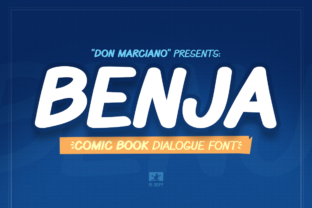
Benja: A Design Essential
Benja is more than just a name—it's a design force that elevates visual communication and transforms creative projects into compelling experiences. For designers, marketers, and business owners, understanding Benja's role in modern graphic design can unlock new levels of creativity and effectiveness.
In the world of visual design, consistency and clarity are key. Benja offers a framework that supports these principles, making it an invaluable tool for anyone involved in branding, typography, or digital content creation. Whether you're crafting a logo, designing social media graphics, or developing a website, Benja provides the structure needed to achieve professional results.
Benja in Branding and Identity
Brand identity relies heavily on visual elements that communicate a company's values and personality. Benja helps establish a cohesive look by guiding choices in color palette, typography, and layout. This consistency not only strengthens brand recognition but also builds trust with audiences.
For logo design, Benja ensures that every element aligns with the overall brand strategy. From the choice of fonts to the balance of negative space, each decision contributes to a memorable and impactful visual identity.
Practical Applications of Benja
Benja's versatility makes it suitable for a wide range of design applications. Consider the following areas where Benja can make a difference:
- Marketing Materials: Brochures, flyers, and presentations benefit from Benja's structured approach to visual hierarchy and readability.
- Social Media Content: With platforms like Instagram and TikTok, Benja helps create eye-catching graphics that stand out in crowded feeds.
- Website and UI Design: A well-organized layout using Benja principles enhances user experience and makes navigation intuitive.
- Packaging Design: Benja ensures that product packaging is both visually appealing and functional, supporting brand messaging and consumer engagement.
When applied to editorial layouts or advertising campaigns, Benja brings order to complexity, allowing information to be presented clearly and effectively.
Choosing the Right Elements
Selecting and evaluating design elements requires attention to detail and an understanding of the project's goals. Factors such as scalability, readability, and compatibility with existing brand systems should guide your choices.
Typography plays a crucial role in visual communication. Benja encourages the use of fonts that reflect the brand's tone while maintaining legibility across different mediums. Similarly, color choices should support the intended message and evoke the right emotional response.
Composition and imagery also contribute to a polished result. By balancing text and visuals according to Benja's principles, designers can create layouts that are both aesthetically pleasing and functionally effective.
Whether working on print design, digital products, or merchandise, Benja serves as a reliable guide for achieving high-quality outcomes. Its influence extends beyond individual projects, shaping the overall design workflow and reinforcing the importance of thoughtful decision-making.
Ultimately, the value of Benja lies in its ability to enhance both aesthetics and communication. By integrating its principles into your creative process, you can elevate your work and deliver designs that resonate with your audience.